
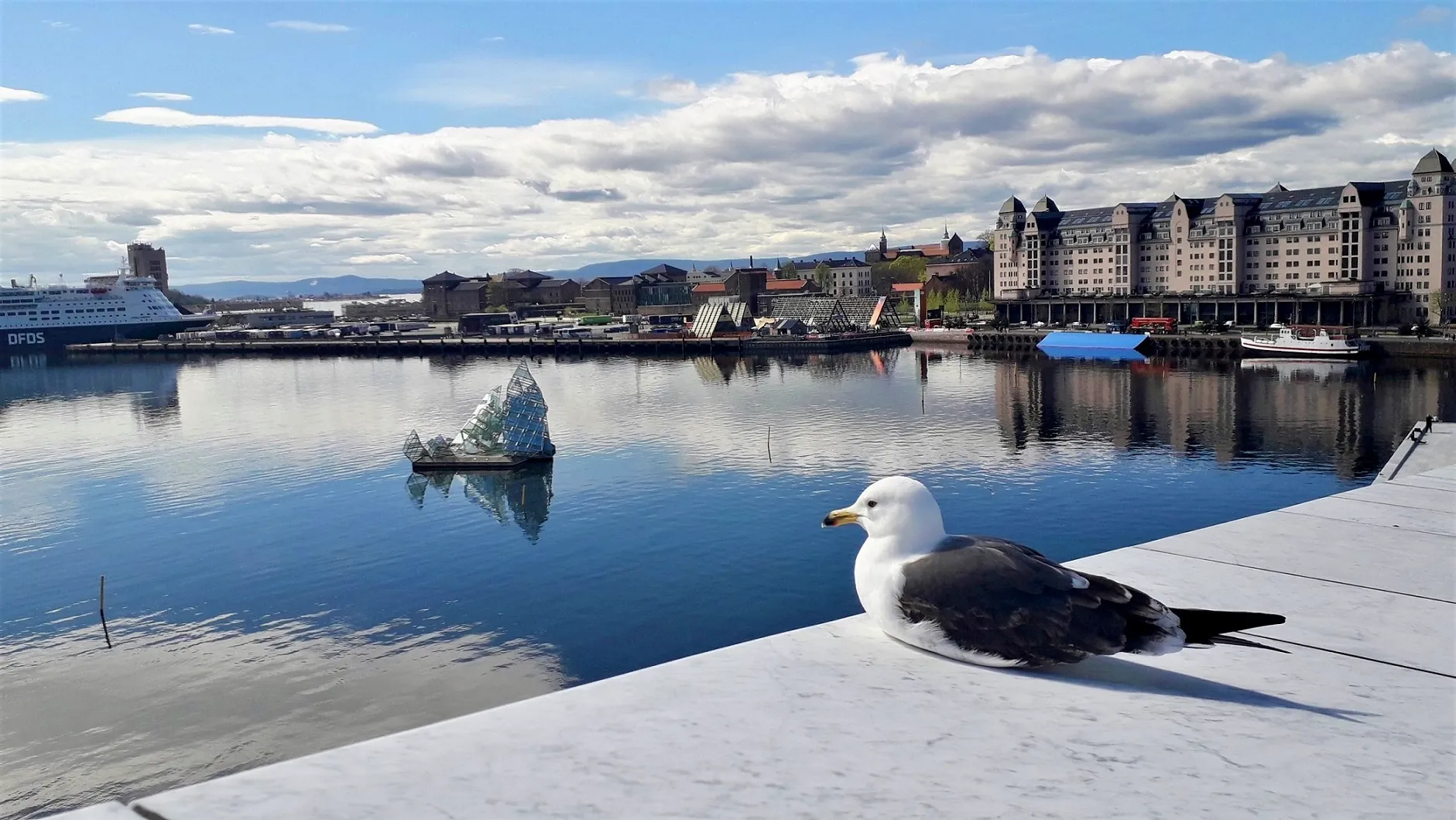
Best time for a Norway fjords cruise, month by month
A Stavanger local on when the waterfalls run loudest, when the light is longest, and which months to skip.
Short answer
June and early July are the best weeks. Long days, full waterfalls, the high mountain roads open, and the mildest weather of the year. The trade-off is crowds and higher prices. May and September are quieter and cheaper, but colder and wetter. If your itinerary visits the fjords at all, you are sailing some time between May and September. The only real question is which end of that window suits you.
Start here
Why June is hard to beat
I live on this coast. The question I get most is not which cruise. It is which month. June is the answer I give most often.
The waterfalls run on snowmelt. They are at their loudest from late May through June. The Seven Sisters above Geiranger, the falls down every fjord wall — that is when they look like the photos. By August, after a dry summer, the same falls can run thin. People who came for the postcard leave a bit let down.
June also gives you light. The fjord ports sit around 60°N. At midsummer that means roughly 19 hours of daylight, and the sky never goes fully dark. On a cruise that helps. A late call still feels like afternoon at nine in the evening.
One thing the brochures blur: this is not midnight sun. True midnight sun needs the Arctic Circle, about 66.5°N. The fjord ports are well south of that. You get long golden twilight, not a sun that never sets. If midnight sun is the whole point, you want a North Cape voyage. That is a different trip on different ships.
The aurora question
Can you see the northern lights?
Short version: not on a normal fjord cruise. The lights need a dark sky. The fjord cruise season is the bright half of the year, so the two do not meet.
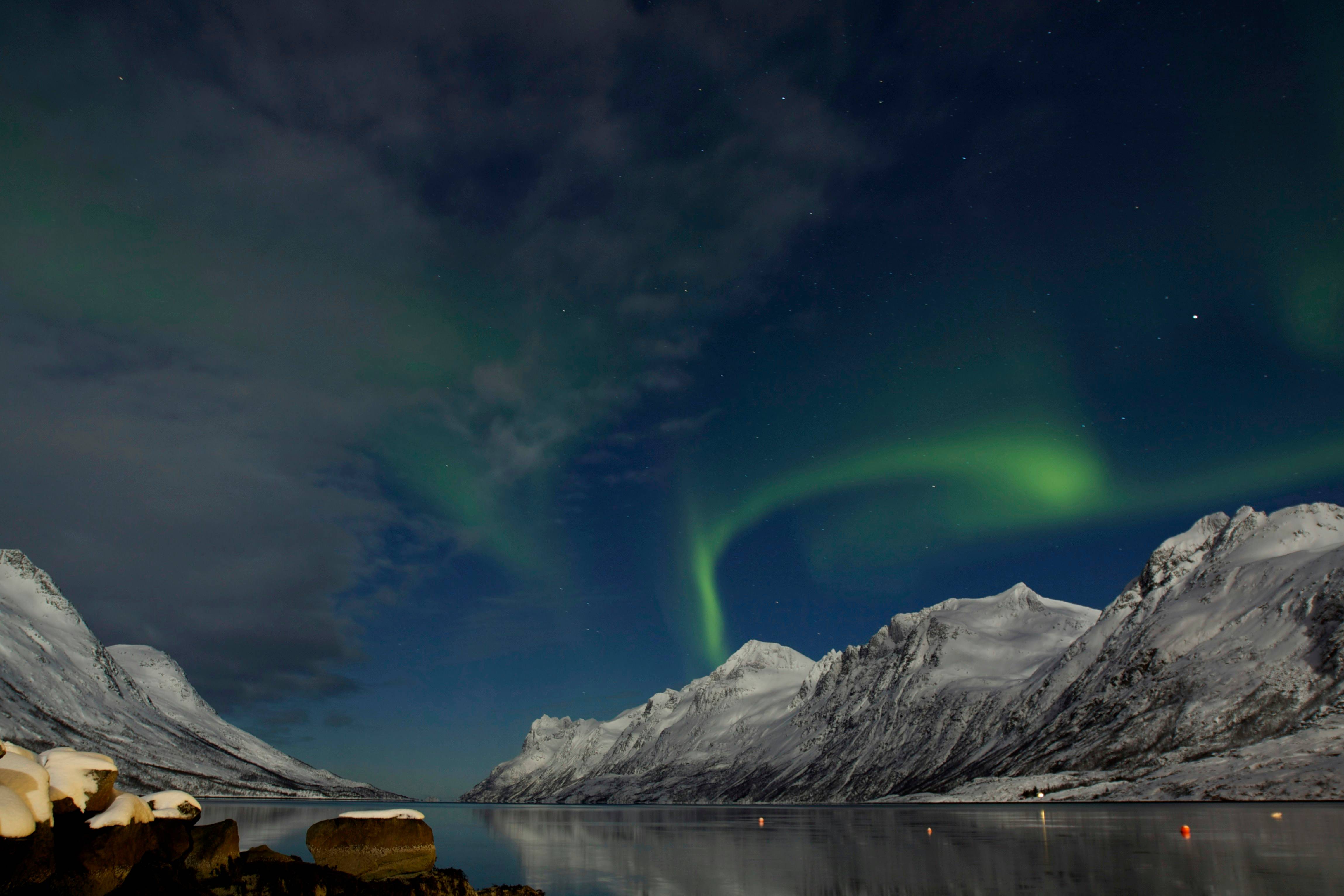
The aurora season runs roughly from late September to late March. That is the dark season — long nights, low sun. It sits outside the main fjord cruise calendar. A late-September call could just catch the first dark nights, and on a clear, active night you might see something. But I would not book a fjord cruise for it. The chance is small, and the fjords this far south are not where the lights are reliable.
If the northern lights are the real reason you are travelling, compare Northern Lights cruises in Norway. Go north and go in winter. Tromsø, around 69°N, is the place. That usually means a coastal voyage with Hurtigruten or Havila, not a summer fjord ship. Different season, different boat, different trip.
Already booked a winter sailing that calls at Tromsø? Check whether an aurora tour fits your Tromsø call before you book one.
Shoulder season
The shoulder months — May and September
May suits the early traveller. Peak waterfalls, fewer ships, lower prices, snow still bright on the high peaks. The catch is that the high country opens late. The Nibbevegen road up to Dalsnibba above Geiranger usually opens in late May and closes with the autumn snow, around October. Check the operator date for your year before you count on it. Come too early and the big mountain excursions may not run yet.
September turns it around. Autumn colour in the birch, thinner crowds, lower fares. You pay for it in shorter days — down to about 12 hours of light by late month — and more rain. Some seasonal boats start cutting their timetables. For a calmer, cheaper trip with lower expectations on warm weather, it is a fair deal.
Peak season
July and August — warm, but the busy end
These are the warmest, most settled weeks. Fjord summer is mild, not hot — often mid-teens to low twenties Celsius, cooler out on the water and up high. They are also the peak. Ships are full, ports are busiest, and the big tours sell out first. If you sail now, book the Flåm Railway, the Dalsnibba coach, and the Briksdal glacier trips well ahead. Walking up to a sold-out counter on the day is a real risk in these weeks.
Weather
One honest warning about weather
Plan for rain in any month. Bergen gets well over 200 wet days a year. It is one of the rainiest cities in Europe, and the fjords are no drier. A fjord trip is not a sun holiday. It is green walls, low cloud, and waterfalls that look better in the drizzle. Pack a proper rain layer whenever you sail and you will be fine.
What to skip
What to skip or rethink
- Don't chase midnight sun on a fjord cruise. You are too far south.
- Don't book a fjord cruise for the northern lights. Wrong season, wrong latitude.
- Don't assume August waterfalls match the June photos. Come earlier, or expect less.
- Don't book early May expecting everything open. Some high roads and boats start later.
Next step
Plan your port day
Best-time FAQ
Quick answers.
Which month is cheapest for a Norway fjords cruise?
Usually the shoulder months: May before peak, or September as it winds down. July and August carry the highest fares.
Can you see the northern lights on a fjords cruise?
Not really. The cruise season is the bright half of the year. The lights need the dark season, roughly late September to late March, and they are reliable much further north — around Tromsø, on a winter coastal voyage.
Can you see the midnight sun?
No. The fjord ports sit around 59 to 62°N, south of the Arctic Circle. June gives very long twilight, not midnight sun.
When are the waterfalls best?
Late May through June, when the snowmelt peaks. They thin out by late summer.
Is it always raining?
Often, yes, especially around Bergen. Pack for rain in any month. The fjords look their best wet anyway.
How I plan this guide
I base this page on official daylight and weather data, the high-road opening dates from the Geiranger Skywalk operator, and the conservative port-day logic I use across the site. I'm independent, not a cruise line, port authority, or tour operator. Seasons, prices and timetables change, so confirm current details before you sail.
- Road season Nibbevegen / Dalsnibba opening dates from the Geiranger Skywalk operator; confirm the current-year date before you book.
- Daylight & weather Daylight hours, rainfall and aurora season from Meteorologisk institutt (yr.no / met.no).
- Cruise calendar Port arrival dates from each port authority, linked on the individual port hubs.
- Reviewed Reviewed for the 2026 season — June 2026.